Flooded basement help in Cheyenne
A flooded basement is an urgent property crisis that threatens electrical systems, mechanical equipment, and structural framing. Cheyenne Water Damage connects property owners across Cheyenne and Laramie County with independent restoration contractors specializing in below-grade water extraction and structural drying.
Life Safety First: Electrical and Pumping Warnings
The Centers for Disease Control and Prevention (CDC) underscores that basements carry severe life-safety risks during water intrusion:
- Never Enter Standing Water Near Electrical Systems: If water in your basement reaches outlets, extension cords, water heaters, furnaces, or electrical service panels, stay on upper floors. Do not attempt to walk through water to turn off breakers unless you can reach the main switch from a completely dry platform.
- Caution Regarding Rapid Pumping: If the ground surrounding your home is completely saturated from intense cloudbursts or snowmelt, pumping water out of the basement too quickly can create an extreme hydrostatic pressure differential. Saturated outdoor earth can exert enormous inward force against basement foundation walls, creating risk of structural cracking or foundation wall buckling. Restoration contractors monitor water table pressure during removal.
Common Causes of Basement Flooding in Cheyenne
Lower-level water problems in Cheyenne stem from a combination of localized weather patterns and below-grade building dynamics:
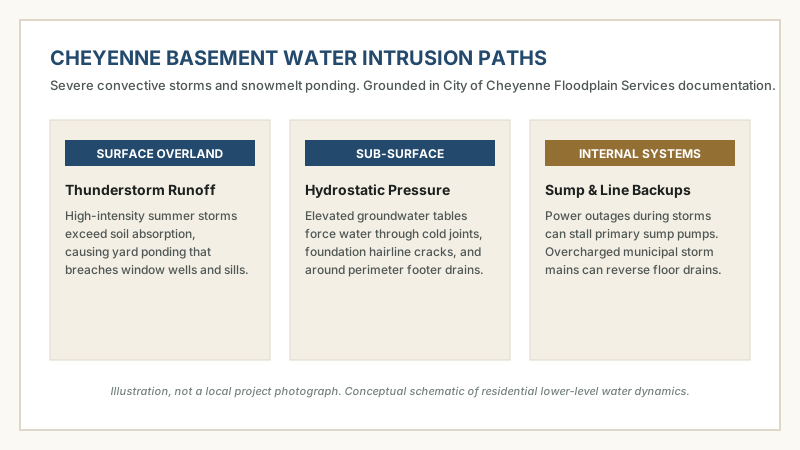
1. Storm Runoff & Yard Ponding
The City of Cheyenne Floodplain Services Division documents yard ponding and drainage backups as frequent risks. Intense cloudbursts overwhelm topsoil absorption, causing ponding that spills into window wells and ground-level daylight doors.
2. Hydrostatic Ground Pressure
During spring thaw and rain spells, high groundwater tables exert inward pressure against concrete foundation walls and floor slabs, pushing moisture through cold joints and settling cracks.
3. Sump Pump Outages
Many properties rely on electric sump pumps to clear perimeter drain basins. Summer thunderstorms frequently cause localized power failures, disabling pumps when inflow is highest.
4. Utility & Water Heater Ruptures
Because basements house major water appliances, split tanks or supply valve failures can release dozens of gallons directly onto concrete slabs within minutes.
How Restoration Contractors Remediate Flooded Basements
Restoring a flooded basement involves comprehensive moisture extraction and sanitary treatment:
- Calibrated Water Extraction: Contractors deploy high-volume submersible pumps and industrial wet vacuum units to evacuate liquid water safely without destabilizing saturated exterior walls.
- Belongings & Contents Assessment: Salvageable personal possessions are elevated onto protective blocks or moved to dry upper levels for pack-out and cleaning. Saturated cardboard boxes and porous items in contaminated water are evaluated for disposal.
- Hidden Moisture Detection: Moisture is rarely confined to the floor. Water wicks upward into bottom plates, stud framing, and behind finished drywall or paneling. Technicians use thermal cameras and electronic pin meters to map moisture travel.
- Applied Dehumidification: Heavy-duty commercial dehumidifiers and high-velocity air movers run continuously to draw moisture out of concrete slabs and porous wood framing, meeting EPA prompt drying standards.
Need Urgent Basement Flood Cleanup in Cheyenne?
Speak with a telephone representative right now. Tell them what happened and your Cheyenne ZIP code to connect with an available restoration specialist.
Referral service. We do not perform restoration work. Availability and job scope vary.
Important Scope Distinction: Restoration vs. Waterproofing
Property owners should understand that water damage restoration contractors handle emergency cleanup and structural drying—removing water, sanitizing contaminated framing, and drying damp structures.
Restoration contractors do not perform exterior civil engineering, foundation excavating, or install permanent interior drain tile systems. If your basement flooded due to negative yard grading, inadequate gutter downspouts, or cracked foundation walls requiring exterior French drains, you will need a specialized waterproofing or foundation contractor to correct the architectural source once drying is complete.
Connected Restoration Services
Explore related emergency services across our Cheyenne referral directory:
- Emergency Water Extraction: Rapid suction for standing pools of water on upper and lower floors.
- Structural Drying & Mitigation: Technical moisture monitoring and commercial dehumidification.
- Storm & Flood Cleanup: Silt removal and decontamination following overland weather runoff.
- Coverage Directory: View confirmed ZIPs across Cheyenne, Burns, Carpenter, and Laramie County.
- All Restoration Services: Overview of restoration offerings and trade definitions.
Frequently Asked Questions: Basement Water Removal
Why shouldn't I pump all the water out of my basement immediately?
If heavy rains have saturated the surrounding soil, the outside earth is heavy with water. Pumping out the basement too quickly relieves the counter-pressure inside, which can cause foundation walls to crack, shift, or bow inward under exterior hydrostatic pressure. Professional crews evaluate water levels and soil saturation before pumping.
Can finished basement drywall and baseboards be saved?
If the floodwater came from an outdoor storm or sewer backup, drywall is considered contaminated and must be cut out and replaced. If the water was clean potable water from an appliance or water heater, drywall can occasionally be dried in place if mitigation begins promptly within 24 to 48 hours.
What should I tell the call handler when calling about a flooded basement?
State your ZIP code, describe the depth of standing water, specify whether water is near electrical outlets or furnace units, and explain whether the water came from a burst pipe, failed sump pump, or outdoor storm ponding.
City Drainage & Safety References
Information regarding Cheyenne weather patterns, municipal flood zones, and indoor moisture control on this page is grounded in the following public agency records:
- [S3]City of Cheyenne City Engineer — Floodplain Services: Documentation of late-spring to early-fall thunderstorm flooding, overbank flooding along Dry Creek and Crow Creek, drainage backups, yard ponding, and basement flooding.
- [S4]Laramie County Planning & Development — Floodplain Development Information: County drainage patterns, property-level flood hazards, and regulatory elevation requirements.
- [S9]CDC Centers for Disease Control and Prevention — Reentering Your Flooded Home Safety: Safety protocols addressing electrical risks, standing water contamination, structural hazards, and portable generator safety.
- [S10]US Environmental Protection Agency (EPA) — Mold Course Chapter 4: Prevention and Control: EPA guidance recommending prompt drying of water-damaged materials, typically within 24 to 48 hours where possible.
Citations are provided for public educational context. Government agencies and nonprofit organizations listed do not endorse this referral website or associated contractors.